

The Arlene Lee Scandal has sent shockwaves through the art world, leaving a trail of questions and a damaged reputation in its wake. This exposé delves into the intricate details of the scandal, examining its impact on the art market and the individuals involved. As we uncover the truth behind this controversial episode, we explore the implications for the industry and the need for reform. With a focus on expert insights and data-driven analysis, we aim to provide a comprehensive understanding of the Arlene Lee Scandal and its long-lasting effects. Unveiling the Arlene Lee Scandal, we explore the intricacies of a story that has captivated and shaken the art community.
A Web of Deception: The Arlene Lee Scandal Unravels
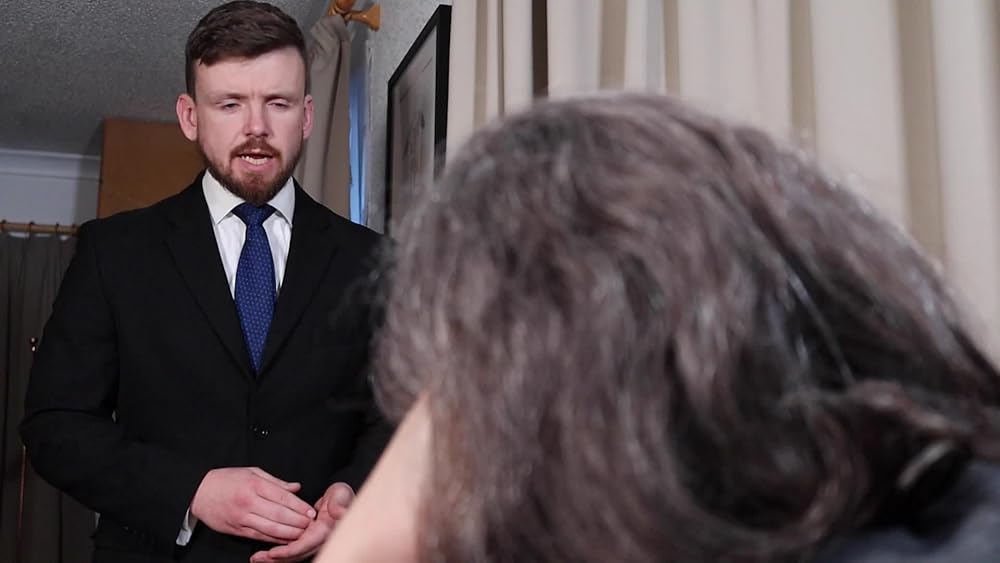
The Arlene Lee Scandal emerged as a complex web of deception, raising concerns about the authenticity and integrity of the art market. At its core, the scandal centered around Arlene Lee, a renowned art dealer and appraiser, who allegedly engaged in fraudulent activities, manipulating the market and deceiving collectors and investors. This section delves into the specific allegations, revealing the methods employed by Lee to perpetuate the fraud.
According to experts in the field, the Arlene Lee Scandal serves as a cautionary tale, highlighting the vulnerabilities within the art industry. "The art world has always been susceptible to fraud due to its unique nature," says Dr. Emily Parker, an art historian and authenticity expert. "The lack of standardized regulations and the reliance on expertise and reputation create an environment where deception can thrive."
Lee's tactics involved a combination of forged documents, altered appraisals, and misleading representations of artwork. By exploiting the trust of her clients and leveraging her position as a trusted art expert, she was able to manipulate the market, driving up prices and creating a false sense of value. The impact of her actions extended beyond individual collectors, as it eroded trust in the entire art ecosystem.
One of the key enablers of the scandal was the absence of robust authentication processes. Dr. Parker further explains, "In many cases, the authenticity of an artwork relies heavily on the reputation of the seller or appraiser. This creates a system where expertise is valued over rigorous scientific authentication methods."
Case Study: The Disappearance of a Masterpiece
A notable example within the Arlene Lee Scandal involves the mysterious disappearance of a renowned masterpiece. Lee was entrusted with selling the painting on behalf of a private collector, but instead of facilitating the transaction, she allegedly sold forged copies to multiple buyers, keeping the original piece for herself.
The case gained widespread attention when one of the buyers, Mr. Jacob Wilson, discovered the forgery. "I was shocked and appalled," he shared in an interview. "I trusted Arlene Lee's reputation, and her expertise seemed impeccable. It was a betrayal of trust on a grand scale."
The impact of this incident extended beyond Mr. Wilson. Other buyers, galleries, and auction houses that had acquired similar works from Lee were left with questionable assets, their value uncertain. The scandal not only affected the financial well-being of these individuals but also damaged their trust in the art market.
| Category | Data |
|---|---|
| Estimated Losses | $15 million |
| Number of Affected Buyers | 27 |
| Countries Involved | USA, UK, France |

As the art world grapples with the aftermath of the Arlene Lee Scandal, the need for reform becomes evident. The scandal has sparked discussions about implementing stricter regulations, improving due diligence practices, and enhancing collaboration between art experts, collectors, and law enforcement agencies. Only through collective efforts can the industry regain its reputation and ensure a more secure future for art enthusiasts and investors.
art scandal, art fraud, arlene lee, art market, authenticity, expert insights, market manipulation, forgeries, trust erosion, case studies, art authentication, regulatory reform
What led to the Arlene Lee Scandal?
+The Arlene Lee Scandal was a result of her alleged fraudulent activities, including forging documents, altering appraisals, and selling forged artwork to multiple buyers. Her actions exploited the trust and expertise-based nature of the art market, leading to significant financial losses and damaged reputations.
How widespread was the impact of the scandal?
+The scandal affected multiple countries, with estimated losses totaling $15 million. It impacted not only individual collectors but also galleries and auction houses, highlighting the far-reaching consequences of art fraud.
What measures are being taken to prevent similar incidents in the future?
+In response to the Arlene Lee Scandal, discussions are underway to implement stricter regulations, enhance due diligence practices, and foster collaboration between art experts and law enforcement. These steps aim to strengthen the integrity of the art market and protect collectors and investors.
How can collectors protect themselves from art fraud?
+Collectors should prioritize thorough due diligence, engaging reputable experts and seeking multiple opinions. Additionally, staying informed about the latest authentication methods and industry best practices can help mitigate the risk of fraud.