

In the animal kingdom, the fox is often associated with cunning, charm, and an air of mystery. These sleek and agile creatures have captivated human imagination for centuries, leaving us intrigued by their secretive nature and elusive behaviors. Today, we delve into the realm of the fox, uncovering five intriguing secrets that reveal a different side to these enigmatic mammals. From their sensory prowess to unique courtship rituals, the fox's world is far more complex and fascinating than meets the eye. Join us as we explore these "sexy" secrets, offering a deeper understanding of these captivating creatures and their role in the natural world.
Sensory Superpowers: Unlocking the Fox’s Secrets
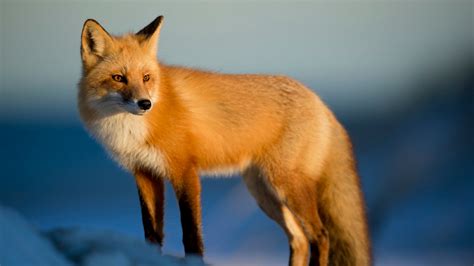
The fox’s senses are their most powerful tools, enabling them to navigate their environment with precision and ease. With an incredible sense of hearing, foxes can detect high-frequency sounds that are beyond the range of human perception. Their large, upright ears, which can rotate independently, act like satellite dishes, picking up even the faintest rustle in the undergrowth. This heightened auditory awareness gives foxes an edge in locating prey, identifying potential threats, and communicating with other foxes over long distances.
In addition to their remarkable hearing, foxes possess a keen sense of smell. Their long, wet noses are packed with olfactory receptors, allowing them to detect scents that are invisible to humans. This powerful sense of smell helps foxes find food, track mates, and mark their territory with urine and scent glands. Foxes also use their sense of smell to identify individuals, detect danger, and even sense changes in the weather.
Furthermore, the fox's vision is finely tuned for low-light conditions, making them excellent nocturnal hunters. Their eyes, which are positioned forward on their heads, provide binocular vision and depth perception, aiding in precise targeting of prey. The tapetum lucidum, a reflective layer behind the retina, enhances their night vision by reflecting light back through the photoreceptors, intensifying the image.
The combination of these sensory superpowers allows foxes to thrive in diverse environments, from urban areas to dense forests. Their heightened senses enable them to adapt, survive, and thrive in a world that often goes unnoticed by humans. By understanding the fox's sensory capabilities, we gain a deeper appreciation for their unique place in the ecosystem and the intricate ways in which they interact with their surroundings.
Foxes, with their exceptional sensory abilities, are truly masters of their environment. Their acute hearing, enhanced sense of smell, and finely tuned vision enable them to navigate the world with a level of sophistication that is both impressive and intriguing. As we continue to explore the secrets of the fox, we uncover a species that is not only captivating but also crucial to the balance of our natural world.
The Fox’s Sense of Touch: Unseen Advantages
Beyond their remarkable hearing, smell, and vision, foxes possess another sensory advantage: an incredibly sensitive sense of touch. This sense, often overlooked, plays a crucial role in their daily lives and interactions with their environment.
Foxes have an extensive network of nerve endings in their facial whiskers, or vibrissae, which act as highly sensitive touch receptors. These whiskers, located on either side of their snout, are not only used to gauge the width of narrow spaces but also provide valuable information about the fox's surroundings. They can detect the presence of objects, sense air currents, and even discern the texture and movement of nearby surfaces.
The pads of a fox's paws are also highly sensitive, equipped with numerous touch receptors that allow them to feel their way through their environment. This sensitivity enables foxes to navigate silently and with precision, whether they are hunting in the dark or simply exploring their territory. The tactile information received through their paws helps them detect subtle changes in the ground, such as the presence of prey, and provides a deeper understanding of their surroundings.
The fox's sensitive touch extends beyond their facial whiskers and paws. They also possess tactile hairs, or guard hairs, distributed across their body. These hairs, which are longer and stiffer than the surrounding fur, act as a form of early warning system. When these guard hairs are disturbed, they alert the fox to the presence of potential threats or changes in their environment, allowing them to react quickly and appropriately.
| Fox Sensory Advantage | Description |
|---|---|
| Hearing | Detect high-frequency sounds beyond human range |
| Smell | Identify scents, locate food, track mates, mark territory |
| Vision | Excellent night vision, depth perception for hunting |
| Touch | Sensitive whiskers, paws, and guard hairs for precise navigation |
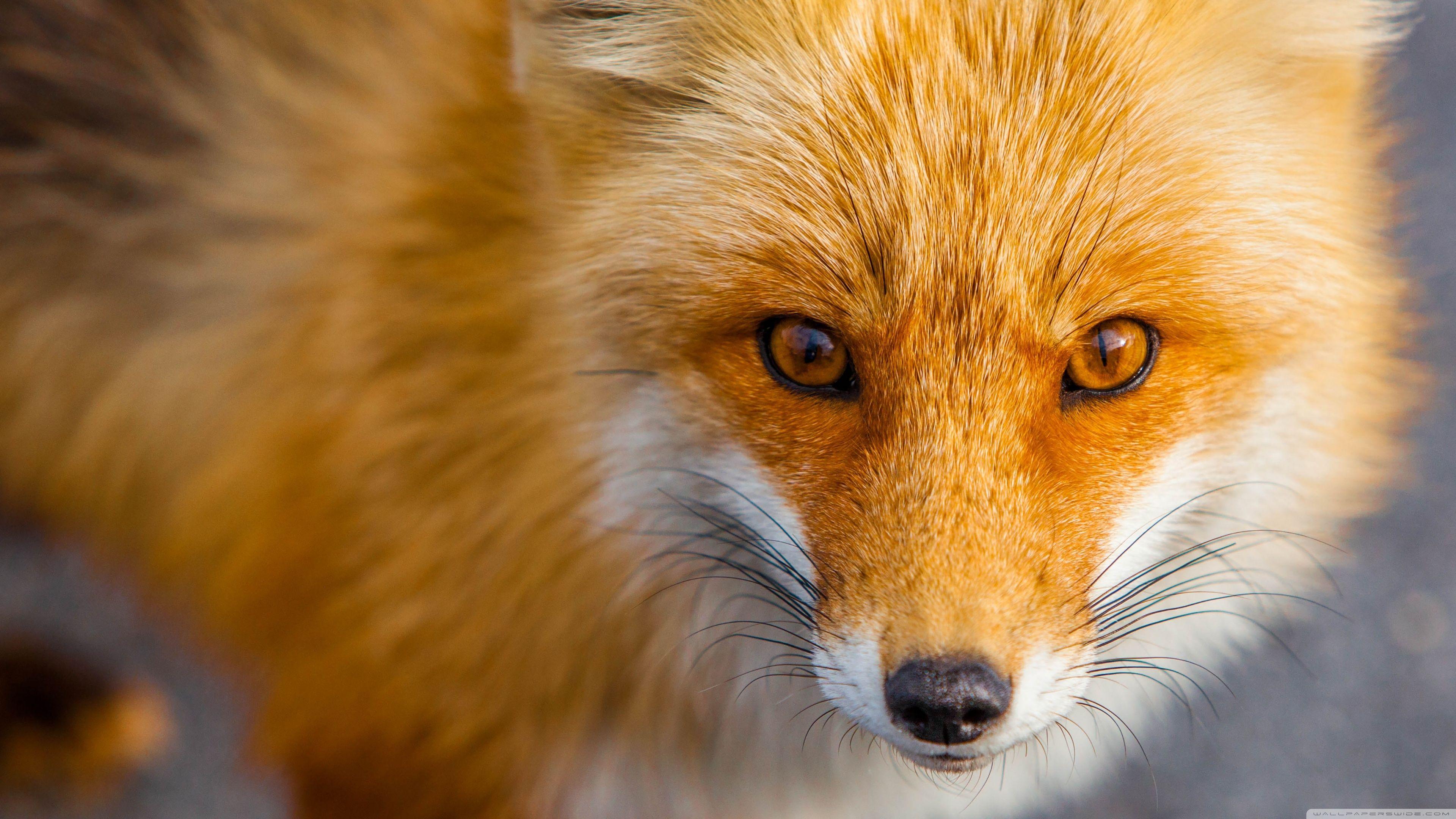
The fox's sensory superpowers, including their sensitive touch, contribute to their overall success as predators and survivors in diverse environments. By understanding these unseen advantages, we gain a deeper appreciation for the complexity and sophistication of the fox's world. As we continue to explore their secrets, we uncover a species that is not only fascinating but also vital to the health and balance of our ecosystems.
The fox's sensory prowess, from their acute hearing to their sensitive touch, showcases their remarkable adaptation to their environment. These abilities not only ensure their survival but also provide a unique window into the intricate world of these captivating creatures. As we delve further into their secrets, we uncover a species that is both mysterious and essential to the natural order.
Sensory superpowers,touch sensitivity,whiskered navigation,fox survival skills,ecosystem balance,sensory advantages,natural order,adaptability,acuteness,sensory world.
The Fox’s Mating Game: A Dance of Attraction
When it comes to finding a mate, foxes engage in a fascinating and complex courtship ritual. This intricate dance of attraction involves a series of behaviors and displays that are both captivating and unique to these charismatic mammals.
Courtship in foxes often begins with a series of vocalizations, including high-pitched barks, yelps, and squeaks. These sounds, which can carry over long distances, are used to attract potential mates and announce the fox's presence. The male fox, in particular, may use these vocalizations to signal his availability and fitness to potential female partners.
In addition to vocalizations, foxes employ a range of body language cues during courtship. They may adopt specific postures, such as a low, submissive stance, to indicate their interest in a potential mate. Foxes may also engage in playful chasing and wrestling, which serves as a form of pre-mating ritual, helping to establish a bond between the pair.
One of the most intriguing aspects of fox courtship is the use of scent marking. Foxes have scent glands located on their faces, tails, and paws, which they use to leave behind their unique scent. This scent marking not only serves as a territorial marker but also plays a crucial role in attracting mates. Female foxes, for instance, may use their scent to signal their readiness to breed, while males may use it to mark their presence and establish their dominance.
As the courtship progresses, foxes may engage in more intimate behaviors, such as mutual grooming and nuzzling. These actions not only reinforce the bond between the pair but also serve as a form of communication, conveying affection and intimacy. In some cases, foxes may even share food as a way of strengthening their relationship and demonstrating their commitment to one another.
The mating season for foxes typically occurs in late winter or early spring, depending on the species and their geographic location. During this time, male and female foxes may form monogamous pairs, remaining together for the duration of the breeding season and often beyond. The female fox, known as a vixen, will give birth to a litter of kits, typically ranging from 4 to 6 in number, after a gestation period of around 50 to 60 days.
The fox's mating game is a captivating display of nature's intricacies, showcasing the species' unique behaviors and adaptations. By understanding their courtship rituals, we gain a deeper appreciation for the complex social dynamics and emotional lives of these enigmatic creatures. As we continue to explore their secrets, we uncover a species that is not only fascinating but also plays a vital role in the balance of our natural world.
Fox Courtship: A Complex Ritual
Fox courtship is a highly intricate process, involving a series of carefully choreographed behaviors and rituals. These rituals serve multiple purposes, from attracting mates to establishing dominance and ensuring successful reproduction.
One of the earliest signs of courtship in foxes is the use of scent marking. Foxes have a sophisticated system of scent glands located on various parts of their body, including their face, paws, and tail. These glands produce a unique scent that serves as a form of identification and communication. During the mating season, foxes will intensively scent mark their territory, leaving behind a trail of pheromones that advertise their presence and availability to potential mates.
In addition to scent marking, foxes engage in a range of vocalizations and body language cues to attract mates. Male foxes, in particular, may emit a series of high-pitched barks and yelps, often referred to as "calling," to signal their interest and availability. These vocalizations can carry over long distances, helping to attract females from across the territory.
Once a potential mate is identified, foxes may engage in a series of playful behaviors, such as chasing and wrestling. These actions not only serve as a form of pre-mating ritual but also help to establish a bond between the pair. Foxes may also engage in mutual grooming, a behavior that reinforces their social bond and serves as a form of affection and intimacy.
As the courtship progresses, foxes may adopt more intimate behaviors, such as rubbing their bodies together and nuzzling. These actions not only reinforce the bond between the pair but also serve as a form of sexual stimulation. In some cases, foxes may even share food as a way of strengthening their relationship and demonstrating their commitment to one another.
The culmination of the courtship process is, of course, mating. Foxes typically mate in a secluded location, away from the eyes of potential predators and competitors. The female fox, or vixen, will give birth to a litter of kits after a gestation period of around 50 to 60 days. These kits are born blind and deaf, relying entirely on their mother's care and protection for their survival.
Fox courtship is a complex and fascinating process, showcasing the species' unique behaviors and adaptations. By understanding these rituals, we gain a deeper appreciation for the intricate social dynamics and emotional lives of these captivating creatures. As we continue to explore their secrets, we uncover a species that is not only mysterious but also vital to the balance of our natural world.
Mating rituals,courtship behaviors,fox reproduction,scent marking,vocalizations,body language,playful rituals,intimate behaviors,monogamy,social dynamics.
The Fox’s Diet: A Varied Menu
Foxes are renowned for their adaptability and ability to thrive in a wide range of environments. This adaptability extends to their diet, which is remarkably diverse and varied. From small mammals to insects and fruits, foxes are true omnivores, capable of consuming a wide array of foods to meet their nutritional needs.
One of the primary components of a fox's diet is small mammals, such as mice, voles, and rabbits. These creatures provide a rich source of protein and fat, essential for the fox's survival and overall health. Foxes are skilled hunters, using their keen senses and agility to stalk and capture their prey with precision.
In addition to small mammals, foxes also consume a variety of birds, including game birds and songbirds. These birds provide a valuable source of protein and nutrients, particularly during the breeding season when foxes require additional energy to support their reproductive efforts.
Foxes are also known to scavenge for food, taking advantage of carrion and leftovers from other predators. This behavior allows them to supplement their diet and make use of available resources, especially in times of scarcity or when prey is harder to catch.
Insects play a significant role in a fox's diet, particularly during the warmer months when they are more abundant. Foxes will actively hunt for insects, such as beetles, grasshoppers, and caterpillars, which provide a valuable source of protein and essential nutrients. In some cases, foxes may even consume insect larvae and pupae, which are rich in fats and proteins.
Fruits and berries are another important component of a fox's diet, especially during the summer and fall months when they are readily available. Foxes will feast on a variety of fruits, including apples, pears, and berries, which provide a source of carbohydrates and essential vitamins. These fruits not only satisfy their nutritional needs but also help to balance their diet and maintain their overall health.
The fox's diet is not limited to the above-mentioned items. They are also known to consume a variety of other foods, including fish, amphibians, reptiles, and even eggs. Foxes have been observed raiding nests and consuming the contents, providing them with a rich source of protein and nutrients. Additionally, foxes may consume vegetation, such as grasses and roots, particularly during times of scarcity when other food sources are limited.
| Fox Diet Component | Description |
|---|---|
| Small Mammals | Mice, voles, rabbits: Rich in protein and fat |
| Birds | Game birds, songbirds: Provide protein and nutrients |
| Insects | Beetles, grasshoppers, caterpillars: High in protein and essential nutrients |
| Fruits and Berries | Apples, pears, berries: Source of carbohydrates and vitamins |
| Other Foods | Fish, amphibians, reptiles, eggs, vegetation: Diverse sources of nutrients |
The fox's varied diet reflects their remarkable adaptability and ability to thrive in a wide range of environments. By consuming a diverse range of foods, foxes ensure they receive the necessary nutrients to support their growth, reproduction, and overall health. As we continue to explore their secrets, we uncover a species that is not only fascinating but also plays a vital role in the balance of our natural world through their unique dietary habits.
Fox Foraging: Strategies and Adaptations
Foxes are highly adaptable foragers, employing a range of strategies and adaptations to ensure a steady supply of food. Their foraging behaviors are shaped by their environment, the availability of resources, and their own physiological needs.
One of the key strategies employed by foxes is spatial memory. Foxes have an incredible ability to remember the locations of food sources, such as fruit trees or reliable hunting grounds. This spatial memory allows them to efficiently revisit these areas, ensuring a consistent supply of food without expending unnecessary energy.
In addition to spatial memory, foxes also utilize a variety of hunting techniques. They are skilled stalkers, patiently waiting for their prey to come within striking distance before launching a swift and precise attack. Foxes are also known to use their excellent hearing to locate prey, often listening for the telltale sounds of small mammals or insects.
When hunting small mammals, foxes often employ a "sit-and-wait" strategy. They will patiently observe an area, waiting for their prey to venture within range. Once the opportunity presents itself, the fox will pounce, using its speed and agility to capture the prey. This strategy is particularly effective for hunting voles, mice, and other small rodents.
Foxes are also opportunistic scavengers, taking advantage of carrion and leftovers from other predators. They have a keen sense of smell, allowing them to detect the presence of dead animals from a distance. By scavenging, foxes can supplement their diet and make use of resources that would otherwise go to waste.
In urban and suburban areas, foxes have adapted to a different set of foraging strategies. They may scavenge through garbage cans or raid compost piles, taking advantage of human-provided food sources. In some cases, foxes have even learned to hunt small domestic pets, such as cats and rabbits, presenting a unique challenge for urban residents.
The fox's foraging strategies and adaptations are a testament to their remarkable adaptability and survival skills. By understanding their foraging behaviors, we gain a deeper appreciation for the complex ways in which foxes interact with their environment and the diverse strategies they employ to meet their nutritional needs. As we continue to explore their secrets, we uncover a species that is not only captivating but also a key player in the intricate web of our natural world.
Foraging strategies,spatial memory,hunting techniques,sit-and-wait strategy,scavenging,urban adaptation,nutritional needs,survival skills,resource management.
The Fox’s Social Structure: A Complex Web
Foxes are highly social animals, forming complex social structures that vary depending on the species and their environment. These social structures play a crucial role in the fox’s survival, reproduction, and overall success as a species.
One of the most well-known social structures in foxes is the family unit, or pack. Foxes typically live in small family groups consisting of a breeding pair and their offspring from previous years. These family units are often closely bonded, with the parents providing care and protection to their young. The family unit serves as a vital support system, helping to raise and protect the next generation of foxes.
Within the family unit, there is a clear hierarchy, with the breeding pair at the top. The breeding pair, often referred to as the alpha male and female, are the dominant