
Gas leaks are a serious safety hazard that can lead to devastating consequences, including explosions, fires, and health issues. Detecting these leaks early is crucial to prevent accidents and ensure the well-being of individuals and communities. In this comprehensive guide, we will explore the various methods and technologies available for gas leak detection, offering a simple yet detailed understanding of this critical process. We'll delve into the science behind gas sensors, the importance of early warning systems, and the latest innovations in this field, backed by expert insights and real-world examples. Additionally, we'll provide practical tips and advice for homeowners, business owners, and facility managers to help them choose and implement effective gas leak detection systems. By the end of this article, readers should have a clear understanding of the options available to them and the confidence to make informed decisions about gas leak detection.
The Science Behind Gas Leak Detection

Gas leak detection is a complex process that relies on various scientific principles and technological advancements. At its core, it involves the use of sensors that can detect the presence of gases in the air. These sensors are designed to identify specific gases, such as natural gas, carbon monoxide, or propane, which are commonly used in residential and commercial settings. The science behind gas leak detection revolves around the principles of chemistry and physics, utilizing the unique properties of gases to trigger an alert when a leak is detected.
Gas sensors work by measuring changes in the surrounding environment. They can detect the presence of gas molecules through various methods, including catalytic oxidation, infrared absorption, or electrochemical reactions. For instance, catalytic oxidation sensors use a catalyst to convert combustible gases into heat, which triggers an alarm when a certain temperature is reached. Infrared sensors, on the other hand, measure the absorption of infrared light by gases, providing a precise reading of gas concentrations.
The sensitivity and accuracy of gas sensors are crucial factors in effective leak detection. Advanced sensors can detect even the smallest traces of gas, providing an early warning system that can prevent potential disasters. These sensors are often calibrated to specific gases, ensuring precise readings and minimizing false alarms. Additionally, some sensors are designed to detect multiple gases, offering a comprehensive solution for various applications.
One of the key advantages of modern gas leak detection systems is their ability to integrate with smart home and building automation technologies. This integration allows for remote monitoring and control, enabling users to receive real-time alerts and take immediate action. For example, a smart gas leak detector can send a notification to a user's smartphone, allowing them to assess the situation and take appropriate measures, even when they are away from the premises.
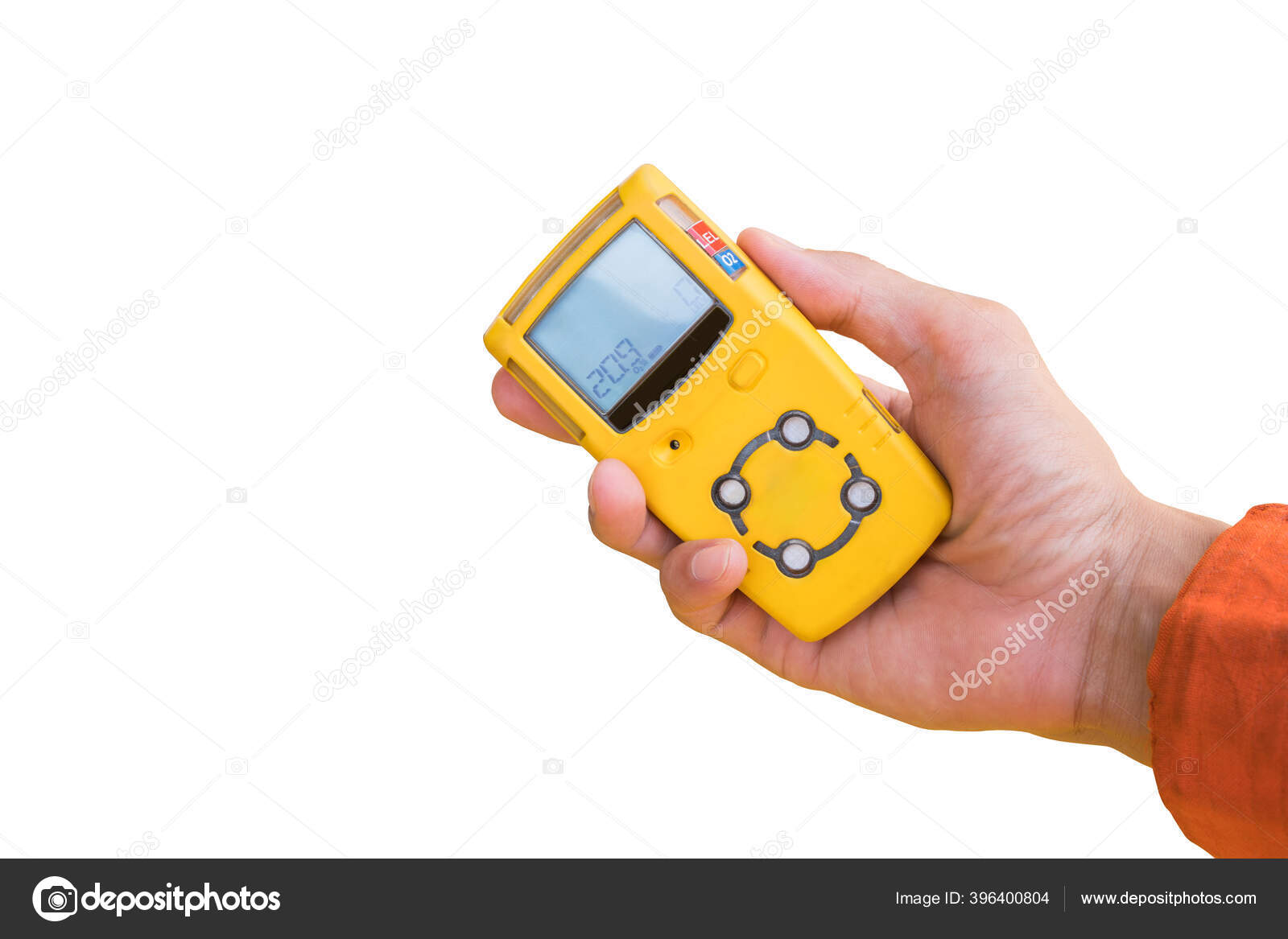
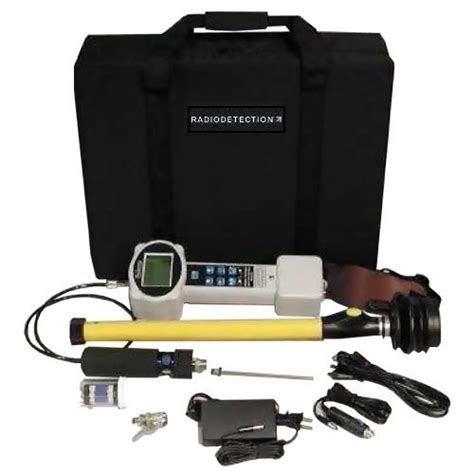
Furthermore, the development of portable gas detectors has revolutionized gas leak detection in industrial and field settings. These handheld devices provide on-the-spot measurements, allowing workers to quickly identify potential hazards and take necessary precautions. Portable detectors are particularly useful in confined spaces or areas where fixed gas detection systems may not be feasible.
The scientific advancements in gas leak detection have also led to the development of innovative solutions, such as wireless sensor networks and Internet of Things (IoT) devices. These technologies enable remote monitoring of gas levels across large areas, providing real-time data and early warning systems for potential leaks. The integration of artificial intelligence and machine learning algorithms further enhances the accuracy and reliability of gas leak detection systems, enabling predictive maintenance and proactive safety measures.
In conclusion, the science behind gas leak detection is a fascinating blend of chemistry, physics, and technological innovation. By understanding the principles and advancements in this field, we can appreciate the critical role that gas sensors play in ensuring our safety. From residential homes to industrial facilities, gas leak detection systems provide an essential layer of protection, safeguarding lives and property. As technology continues to advance, we can expect even more sophisticated and reliable gas leak detection solutions, further minimizing the risks associated with gas leaks.
gas leak detection methods,science of gas sensors,early warning systems,technological advancements in detection,integrating smart home technologies,portable gas detectors,wireless sensor networks,artificial intelligence in detection,protecting lives and property,advancements in safety measures
Types of Gas Sensors and Their Applications

Gas sensors are the backbone of gas leak detection systems, and understanding their types and applications is crucial for selecting the right technology. Here, we explore the various categories of gas sensors and their specific uses.
Electrochemical Sensors
Electrochemical sensors are widely used for gas leak detection due to their accuracy and reliability. These sensors work by converting the concentration of a target gas into an electrical signal. They are particularly effective for detecting gases like carbon monoxide and hydrogen sulfide, which are highly toxic and pose significant health risks. Electrochemical sensors are commonly found in residential and commercial settings, providing an early warning system for gas leaks.
One of the key advantages of electrochemical sensors is their ability to provide precise measurements even at low gas concentrations. This makes them ideal for detecting trace amounts of toxic gases, ensuring a rapid response to potential leaks. Additionally, these sensors are relatively inexpensive and easy to maintain, making them a popular choice for both homeowners and facility managers.
Infrared Sensors
Infrared sensors, also known as non-dispersive infrared (NDIR) sensors, are another common type used in gas leak detection. These sensors utilize the principle of infrared absorption to detect the presence of gases. They are particularly effective for detecting combustible gases, such as natural gas and propane, which are commonly used in heating and cooking appliances.
Infrared sensors work by passing infrared light through a gas sample and measuring the amount of light absorbed. Different gases have unique absorption spectra, allowing these sensors to accurately identify the type and concentration of the gas. This technology is highly sensitive and can detect gas leaks even in challenging environments, making it a popular choice for industrial applications.
Catalytic Bead Sensors
Catalytic bead sensors, also known as catalytic oxidation sensors, are commonly used for detecting combustible gases. These sensors work by measuring the heat generated when a combustible gas reacts with a catalyst. When a gas leak occurs, the sensor detects the increased temperature and triggers an alarm.
Catalytic bead sensors are known for their simplicity and reliability. They are often used in residential and commercial settings as a cost-effective solution for detecting gas leaks. However, it's important to note that these sensors may have a shorter lifespan compared to other types and may require more frequent calibration.
Semiconductor Sensors
Semiconductor sensors are a versatile type of gas sensor, capable of detecting a wide range of gases. These sensors work by changing their electrical conductivity in the presence of specific gases. They are particularly useful for detecting gases like carbon monoxide, hydrogen, and volatile organic compounds (VOCs), which are often associated with industrial processes and environmental monitoring.
One of the key advantages of semiconductor sensors is their ability to detect multiple gases simultaneously. This makes them a popular choice for applications where various gases need to be monitored, such as in chemical plants or research laboratories. Additionally, these sensors are highly sensitive and can detect even trace amounts of gases, making them valuable tools for early leak detection.
In conclusion, the choice of gas sensor depends on the specific application and the gases to be detected. Each type of sensor has its strengths and weaknesses, and understanding these characteristics is essential for implementing an effective gas leak detection system. By selecting the right sensor technology, individuals and organizations can ensure the safety and well-being of their communities.
electrochemical sensors,infrared sensors,catalytic bead sensors,semiconductor sensors,gas leak detection technology,selecting the right sensor,applications of gas sensors,early leak detection,safety measures for gas leaks,monitoring and control
Implementing Gas Leak Detection Systems
Implementing an effective gas leak detection system is a critical step towards ensuring the safety of residential, commercial, and industrial spaces. This section provides a comprehensive guide on how to choose and install the right gas leak detection system for different environments.
Residential Gas Leak Detection
In residential settings, gas leak detection is essential for the safety of homeowners and their families. The most common gas used in homes is natural gas, which is highly flammable and can lead to devastating consequences if a leak goes undetected. Therefore, installing a reliable gas leak detection system is crucial.
For residential gas leak detection, homeowners have several options. One popular choice is to install fixed gas detectors that are strategically placed in areas where gas appliances are located, such as the kitchen or basement. These detectors are designed to detect the presence of natural gas and trigger an alarm, giving residents ample time to evacuate and seek safety.
Additionally, homeowners can opt for smart gas leak detectors that integrate with their home automation systems. These detectors can be controlled and monitored remotely through a smartphone app, providing real-time alerts and allowing for quick response. This technology is particularly useful for homeowners who are often away from home, as it enables them to stay informed about the safety of their residence.
Another important aspect of residential gas leak detection is regular maintenance and testing of gas appliances. Homeowners should ensure that their appliances, such as stoves, water heaters, and furnaces, are properly maintained and inspected annually by qualified professionals. This helps to identify potential issues and prevent gas leaks before they become hazardous.
Commercial and Industrial Gas Leak Detection
Commercial and industrial facilities often deal with a wide range of gases, including flammable, toxic, and corrosive substances. Therefore, implementing a robust gas leak detection system is crucial to protect workers, assets, and the environment.
In commercial and industrial settings, fixed gas detection systems are commonly used. These systems consist of a network of sensors strategically placed throughout the facility to monitor gas levels continuously. The sensors are connected to a central control panel, which alerts the facility's safety team in case of a leak. The system can be customized to detect specific gases based on the nature of the operations and the potential hazards present.
Furthermore, portable gas detectors are essential for workers who need to enter confined spaces or perform maintenance tasks in areas where fixed detectors may not be feasible. These handheld devices provide real-time gas readings, allowing workers to quickly identify and respond to potential hazards. Regular training and education on the use of portable detectors are crucial to ensure the safety of workers and effective leak detection.
In conclusion, implementing gas leak detection systems requires careful consideration of the specific needs and hazards present in each environment. By selecting the right technology, ensuring proper installation, and conducting regular maintenance and training, individuals and organizations can minimize the risks associated with gas leaks and create safer spaces for everyone.
residential gas leak detection,commercial gas leak detection,industrial gas leak detection,fixed gas detectors,smart gas leak detectors,portable gas detectors,safety measures,risk minimization,choosing the right technology,maintaining gas appliances
Case Studies: Real-World Gas Leak Detection Success Stories
Gas leak detection is not just a theoretical concept; it has saved lives and prevented disasters in numerous real-world scenarios. Here, we present a selection of case studies showcasing the effectiveness of gas leak detection systems and the importance of early warning systems.
Residential Gas Leak Detection: A Life-Saving Intervention
In a suburban neighborhood, a homeowner installed a smart gas leak detector in their kitchen. One evening, while cooking dinner, the detector suddenly alerted them to a potential gas leak. The homeowner immediately evacuated the house and called the emergency services. Upon investigation, it was found that a faulty gas line had caused a small leak, which could have led to a catastrophic explosion if left undetected.
Thanks to the early warning provided by the gas leak detector, the homeowner was able to act swiftly and prevent a potential disaster. This case study highlights the importance of residential gas leak detection systems, especially in areas where natural gas is commonly used for heating and cooking.
Commercial Gas Leak Detection: Preventing Workplace Hazards
A large manufacturing facility implemented a comprehensive gas leak detection system throughout its premises. The system consisted of fixed gas detectors and portable devices for workers. One day, while conducting routine maintenance, a worker noticed a sudden spike in gas levels on their portable detector. They immediately evacuated the area and alerted the safety team.
Upon investigation, it was discovered that a faulty valve had caused a significant gas leak. The early detection and swift response prevented a potential explosion and ensured the safety of the workers. This case study emphasizes the critical role of gas leak detection systems in commercial and industrial settings, where the presence of hazardous gases is common.
Gas Leak Detection in Confined Spaces: A Real-Life Rescue
In a remote mining operation, workers frequently enter confined spaces to perform maintenance tasks. The company provided each worker with a portable gas detector, ensuring that they could monitor gas levels in these hazardous areas. During one such operation, a worker's detector sounded an alarm, indicating high levels of toxic gas.
The worker immediately evacuated the confined space and alerted their colleagues. Upon further investigation, it was found that a gas leak had occurred due to a faulty ventilation system. The early detection and prompt response prevented a potential tragedy, as the workers were able to escape before inhaling dangerous levels of gas. This case study highlights the life-saving potential of gas leak detection systems in confined spaces.
These real-world success stories demonstrate the critical role of gas leak detection systems in ensuring the safety of individuals and communities. By investing in reliable detection technologies and implementing proper training and maintenance protocols, organizations and individuals can minimize the risks associated with gas leaks and create safer environments for everyone.
real-world gas leak detection,success stories,residential gas leak detection,commercial gas leak detection,confined space safety,early warning systems,saving lives,preventing disasters,gas leak detection technologies,safety measures
Frequently Asked Questions (FAQ)
What are the common signs of a gas leak in my home or building?
+Common signs of a gas leak include a strong odor similar to rotten eggs, hissing or whistling sounds near gas appliances, a sudden increase in gas bills without explanation, dead or discolored vegetation near gas lines, and physical symptoms such as headaches, dizziness, nausea, or breathing difficulties. If you suspect a gas leak, it's crucial to evacuate the area immediately and call emergency services.
<div class="faq-item">
  <div class="faq-question">
    <h3>How often should I test my gas leak detection system?</h3>
    <span class="faq-toggle">+</span>
  </div>
  <div class="faq-answer">
    <p>It is recommended to test your gas leak detection system at least once a month to ensure its proper functioning. Regular testing helps identify any potential issues and ensures that the system is ready to provide early warnings in case of a gas leak. Follow the manufacturer's instructions for testing and maintenance procedures.</p>
  </div>
</div>

<div class="faq-item">
  <div class="faq-question">
    <h3>Can I install a gas leak detection system myself, or should I hire a professional?</h3>
    <span class="faq-toggle">+</span>
  </div>
  <div class="faq-answer">
    <p>While some basic gas leak detection systems can be installed by homeowners, it is generally recommended to hire a professional for a comprehensive and reliable setup. Professional installation ensures that the system is properly calibrated, strategically placed, and integrated with other safety measures. This provides an added layer of protection and peace of mind.</p>
  </div>
</div>

<div class="faq-item">
  <div class="faq-question">
    <h3>What are the latest advancements in gas leak detection technology?</h3>
    <span class="faq-toggle">+</span>
  </div>
  <div class="faq-answer">
    <p>The field of gas leak detection is constantly evolving, with advancements in sensor technology, wireless connectivity, and artificial intelligence. Some of the latest innovations include smart gas leak detectors that integrate with home automation systems, portable detectors with advanced sensors for real-time monitoring, and remote gas leak detection systems that utilize IoT devices and machine learning algorithms for early warning and predictive maintenance.</p>
  </div>
</div>