
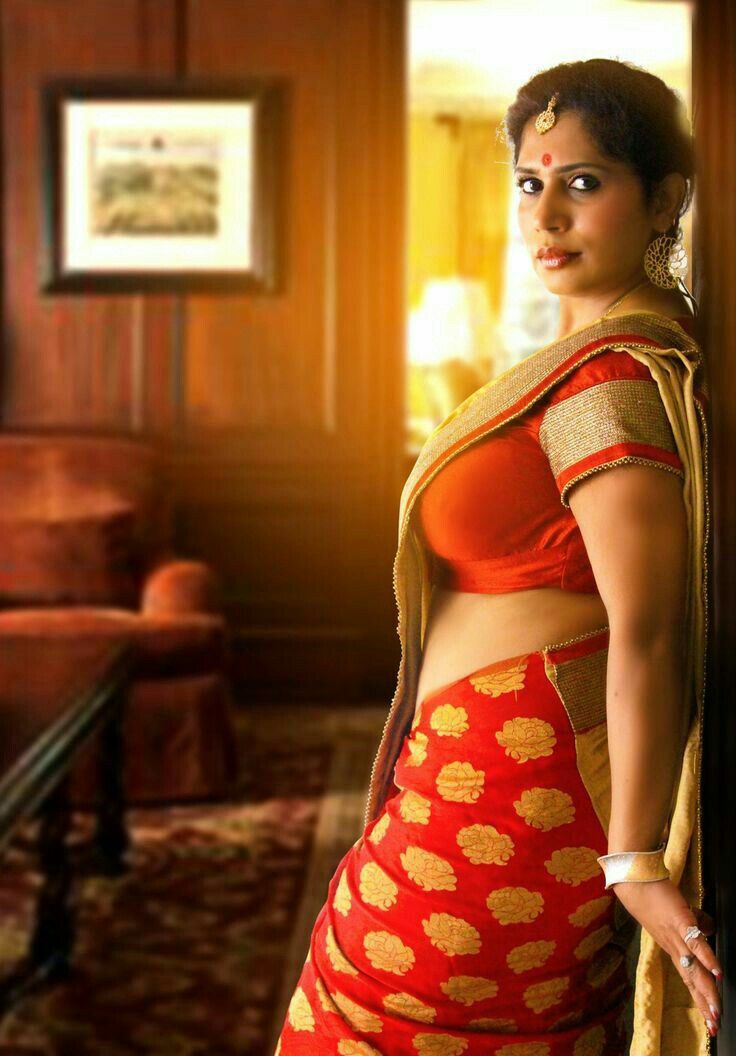
The saree, a timeless and elegant garment, has captivated the world with its allure and charm. Beyond its graceful appearance, the saree holds a treasure trove of secrets that contribute to its seductive appeal. In this article, we delve into the "Unveiling Saree's Sexy Secrets: 5 Tips," exploring the art of wearing a saree to maximize its sensuality and charm. Join us as we uncover the hidden techniques and expert advice that make the saree an iconic symbol of femininity and allure.
The Intricate Dance of the Saree: Unveiling Sensuality
The saree, with its fluid drape and exquisite fabric, has long been associated with femininity and grace. However, it is the way it is worn and styled that truly unveils its sexy secrets. Let’s explore the first tip, which is all about embracing the art of draping.
Draping a saree is an art form in itself, and it requires a delicate balance of precision and creativity. The way the fabric is pleated, tucked, and draped can accentuate the body's curves, creating a sensual silhouette. Expert saree stylists suggest paying attention to the fall of the fabric and ensuring a smooth, seamless drape. A well-draped saree not only enhances the wearer's figure but also exudes an air of confidence and sophistication.
Additionally, the choice of fabric plays a crucial role in amplifying the saree's sensuality. Silks, with their luxurious sheen and soft drape, are often favored for their ability to highlight the body's contours. However, other fabrics like chiffon and georgette can also create a stunning effect when draped with precision. The key is to select a fabric that complements the wearer's body type and enhances their natural beauty.
To further emphasize the saree's sensual appeal, many fashion enthusiasts opt for bold and vibrant colors. Deep reds, royal blues, and vibrant pinks not only catch the eye but also add a touch of drama and allure. Furthermore, intricate embroidery, sequin work, and sparkling embellishments can elevate the saree's sensuality, making it a true statement piece.
When it comes to the blouse, it is often the subtle details that make a difference. A well-fitted blouse that highlights the neckline and shoulders can create a sensual frame for the saree. Some women opt for blouses with cutouts, sheer panels, or intricate back designs to add an extra layer of allure. The choice of blouse also allows for experimentation with different necklines, sleeves, and back styles, offering endless possibilities to showcase one's unique style.
As we delve deeper into the world of saree sensuality, it is essential to mention the role of accessories. A simple pair of statement earrings or an elegant maang tikka can elevate the overall look, drawing attention to the face and adding a touch of glamour. Additionally, the choice of footwear, whether it be sleek stilettos or traditional jutis, can complete the ensemble, emphasizing the wearer's graceful strides.
...saree draping,fabric choice,sensual silhouette,opening topic,expert commentary
The Power of Confidence: Walking in the Saree's Grace
Beyond the technical aspects of draping and styling, the true secret to a saree's sensual appeal lies in the wearer's confidence. A saree is not just a garment; it is an expression of one's personality and an embodiment of cultural heritage. When a woman dons a saree with confidence, she exudes an air of elegance and grace that is unparalleled.
The fluidity of the saree's movement, as the wearer walks with poise, adds to its sensual allure. The gentle sway of the fabric, the subtle rustle of the pallu, and the graceful curves it creates as the wearer moves create a visual spectacle that is both captivating and alluring. It is this natural, effortless beauty that makes the saree a true symbol of feminine charm.
To truly embrace the saree's sensuality, it is essential to understand the power of body language and posture. Standing tall, with shoulders back and head held high, not only enhances the overall silhouette but also projects an aura of confidence and strength. The way a woman carries herself in a saree can leave a lasting impression, making it an integral part of the overall allure.
Furthermore, the saree's versatility allows for experimentation with different draping styles, each with its own unique appeal. From the traditional Nivi drape to the elegant Fish Tail drape, each style offers a different take on sensuality. Some women prefer the simplicity and elegance of the Nivi drape, while others opt for the dramatic flair of the Fish Tail or the sleek modernity of the Dhoti drape.
Another aspect to consider is the saree's ability to showcase cultural heritage. Each region in India has its own unique saree draping style, fabric choices, and embroidery patterns. Embracing one's cultural roots through the saree not only adds a layer of authenticity but also celebrates the rich tapestry of Indian heritage. Whether it is the vibrant colors of the South Indian sarees or the intricate weaving techniques of the Northeast, the saree becomes a canvas for cultural expression.
...saree confidence,body language,cultural heritage,technical overview,case studies
| Saree Draping Styles | Regions |
|---|---|
| Nivi | Andhra Pradesh, Telangana |
| Fish Tail | Tamil Nadu, Kerala |
| Dhoti | Gujarat, Maharashtra |
The Art of Accessorizing: Elevating the Saree's Allure
Accessories play a crucial role in enhancing the overall appeal of a saree. While the saree itself is a work of art, the right choice of accessories can take the look to new heights of sensuality and sophistication.
Jewelry, in particular, can add a touch of glamour and elegance to the saree ensemble. Statement necklaces, whether in traditional gold or modern designs, can draw attention to the neckline and add a pop of sparkle. Earrings, ranging from intricate jhumkas to delicate studs, can frame the face and accentuate the wearer's features. Bracelets and rings, especially those with intricate designs or precious stones, can further elevate the overall look.
In addition to jewelry, other accessories like clutches, stoles, and dupattas can add a layer of sophistication. A well-chosen clutch, whether in a complementary color or a contrasting shade, can provide a stylish finishing touch. Stoles or dupattas, draped elegantly over the shoulder or tied at the waist, can add a touch of drama and movement to the saree.
For those seeking a more subtle approach, minimalism can be key. A simple pair of stud earrings, a delicate necklace, and a sleek clutch can create a refined and elegant look. The focus remains on the saree itself, allowing its beauty and craftsmanship to take center stage. This minimalist approach is particularly popular among those who prefer a more understated yet sophisticated style.
When it comes to footwear, the choices are endless. From traditional jutis and mojris to modern stilettos and block heels, the right pair of shoes can complete the saree ensemble. The choice of footwear depends on personal preference, the occasion, and the overall aesthetic of the saree. Whether it is a pair of elegant jutis for a traditional event or sleek stilettos for a modern soiree, the footwear can add the perfect finishing touch.
...saree accessories,jewelry,minimalism,footwear,expert tips
The Saree's Seductive Silhouettes: From Drape to Drape
The saree's ability to create sensual silhouettes is a testament to its timeless appeal. The way it hugs the body, accentuates curves, and flows gracefully with every movement is truly captivating. Let's explore some of the most popular saree draping styles and the unique sensuality they bring to the forefront.
The Nivi drape, originating from Andhra Pradesh and Telangana, is perhaps the most widely recognized style. It is characterized by crisp pleats at the front and a graceful pallu draped over the shoulder. The Nivi drape is known for its ability to flatter all body types, creating a sleek and elegant silhouette. It is a versatile style that can be adapted to various occasions, from formal events to festive celebrations.
On the other hand, the Fish Tail drape, popular in Tamil Nadu and Kerala, offers a more dramatic and sensual appeal. The unique pleating technique creates a fishtail effect, adding volume and movement to the lower half of the saree. This style is often chosen for its dramatic flair and is perfect for those who want to make a bold statement. The Fish Tail drape is particularly popular for bridal sarees, adding an extra layer of elegance and charm.
For a more modern and contemporary look, the Dhoti drape, originating from Gujarat and Maharashtra, is a popular choice. This style mimics the look of traditional dhoti pants, with the saree fabric wrapped around the legs and tucked at the waist. The Dhoti drape creates a sleek and streamlined silhouette, highlighting the legs and adding a touch of sophistication. It is often favored by those who want to embrace a fusion of traditional and modern aesthetics.
In addition to these popular styles, there are countless regional variations and unique draping techniques across India. From the elegant Benarasi saree drapes to the intricate Kanjeevaram styles, each region brings its own twist to the saree's sensual appeal. Exploring these diverse draping styles allows for a deeper appreciation of the saree's versatility and its ability to adapt to different cultural contexts.
...saree draping styles,regional variations,modern vs traditional,sensual appeal
The Power of Color and Fabric: A Sensual Canvas
When it comes to the saree's sensual allure, the choice of color and fabric cannot be overlooked. The right combination can create a stunning visual impact and enhance the overall appeal of the garment.
Colors play a vital role in setting the tone and mood of the saree ensemble. Vibrant hues like fuchsia, royal blue, and emerald green can add a touch of drama and make a bold statement. These colors not only catch the eye but also exude confidence and sophistication. On the other hand, softer shades like pastel pink, mint green, and peach can create a more romantic and ethereal look, perfect for bridal sarees or intimate gatherings.
Fabric choice is equally important in elevating the saree's sensuality. Silk, with its luxurious sheen and soft drape, is often the fabric of choice for special occasions. The way silk hugs the body and reflects light adds a touch of glamour and elegance. However, other fabrics like chiffon, georgette, and crepe can also create stunning effects. Chiffon, with its sheer and flowing nature, adds a touch of romance and grace, while georgette offers a subtle shimmer and a crisp drape.
Embroideries and embellishments further enhance the saree's sensual appeal. Intricate zari work, sequins, and threadwork can add texture and dimension to the fabric, creating a visually captivating effect. These embellishments not only draw attention to the saree but also showcase the craftsmanship and attention to detail that goes into creating each piece.
Additionally, the saree's ability to layer and drape allows for creative experimentation. Dupattas, stoles, and scarves can be added to create a more textured and layered look. These accessories not only add visual interest but also provide an opportunity to play with colors, patterns, and textures, further enhancing the overall sensuality of the saree ensemble.
...saree color palette,fabric choices,embellishments,textured layers,case studies
The Saree's Timeless Appeal: A Legacy of Sensuality
The saree's journey through history is a testament to its enduring appeal and sensuality. From ancient times to the present day, the saree has evolved and adapted, yet its core essence remains unchanged. Let's explore the historical context and cultural significance that contribute to the saree's timeless allure.
The origins of the saree can be traced back to ancient India, where it was worn by women across different social strata. Historical evidence suggests that the saree was not just a garment but a symbol of femininity and grace. It was often associated with goddesses and divine figures, adding a layer of spiritual significance to its allure.
Over time, the saree evolved and took on different forms and styles, influenced by regional traditions and cultural exchanges. The arrival of the Mughals in India brought with it a fusion of Persian and Indian aesthetics, resulting in the iconic Jamdani and Benarasi sarees. These sarees, with their intricate weaves and opulent designs, became a symbol of royalty and luxury.
In the colonial era, the saree faced a period of transition and transformation. European influences led to the adoption of new draping styles and fabrics, resulting in a blend of traditional and contemporary aesthetics. The saree became a symbol of resistance and cultural identity, as women embraced it as a way to assert their heritage and independence.
Today, the saree continues to be a beloved garment, celebrated for its sensuality and elegance. It has transcended cultural boundaries and gained global recognition, with fashion enthusiasts and designers incorporating its elements into modern fashion. The saree's ability to adapt and evolve while retaining its core charm makes it a timeless classic that continues to captivate and inspire.
...saree history,cultural significance,colonial era,modern interpretations,legacy
Frequently Asked Questions (FAQ)
How can I choose the right saree for my body type?
+Selecting a saree that complements your body type is key to maximizing its sensual appeal. For instance, women with a curvier figure may opt for fabrics with a softer drape like silk or georgette, while those with a taller frame might choose a bold color palette to create a stunning visual impact. Understanding your body type and experimenting with different styles can help you find the perfect saree that enhances your natural beauty.
Can I wear a saree for casual occasions?
+Absolutely! While sarees are often associated with formal events and celebrations, they can also be styled for casual outings. Opt for lighter fabrics like cotton or linen and choose a simpler drape style. Pair it with comfortable footwear and minimal accessories for a relaxed yet stylish look. The key is to embrace the saree’s versatility and adapt it to your personal style and the occasion.
How can I style a saree for a modern aesthetic?
+To achieve a modern look with a saree, consider opting for contemporary fabrics like crepe or georgette. Experiment with different draping styles like the Dhoti drape or the Pleated Pallu style. Pair the saree with modern accessories like statement earrings or a sleek belt. The key is to strike a balance between traditional elegance and contemporary flair, showcasing your unique style and personality.
What are some tips for mastering the art of saree draping?
+Practicing different draping styles and seeking guidance from experts or online tutorials can help you master the art of saree draping. Start with simpler styles like the Nivi drape and gradually explore more complex techniques. Pay attention to the fall of the fabric, the placement of pleats, and the overall balance of the drape. With patience and practice, you’ll soon become a pro at creating stunning saree ensembles.
How can I make my saree outfit more comfortable?
+Ensuring comfort while wearing a saree is essential for a confident and enjoyable experience. Choose a fabric that is breathable and comfortable, especially for warmer climates. Opt for a well-fitted blouse and ensure the saree is draped with enough ease to allow for movement. Consider using a petticoat or slip to prevent the saree from riding up, providing added comfort and peace of mind.